Beyond the hand-out: Why NGOs in Africa must change the narrative
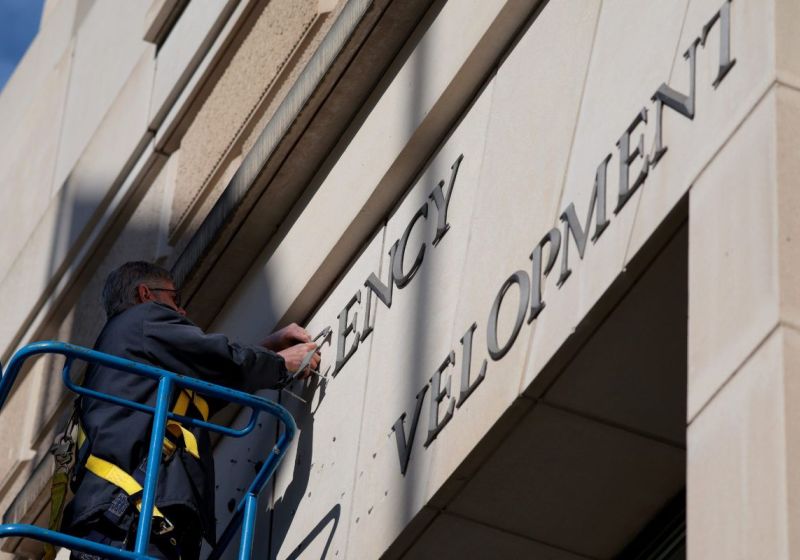
The swift retreat of Western official development assistance (ODA) has created a deeply bifurcated landscape across Africa. As Western governments, once taken for granted as reliable partners, pull back and lose significant soft power in the process, the suspension of ODA has forced local and national humanitarian and environmental organisations into potentially existential financial distress.
In this volatile climate, communications and marketing teams can no longer be viewed as a mere supportive function - it is rather a core strategic tenet for institutional survival. Organisations must make a rapid, calculated narrative shift from donor reliance to value generation and self-reliance, reaching an entirely new matrix of potential donors and investors.
Through our work with some of Africa’s most effective NGOs, Lantern Comitas understands that while Western promises can perhaps no longer be relied upon, the future of the sector belongs to robust local partnerships, financial self-sustainability, and African-led solutions to African challenges.
Rising continental philanthropy is an encouraging trend. Data from the OECD shows private philanthropic disbursements to Africa growing to $4.8 billion, surpassing Asia as the top recipient region. However, this cross-border capital remains highly concentrated. It heavily favours high-profile crises or routes through large, established international entities (e.g. Ford Foundation or Gates Foundation), meaning it rarely reaches the grassroots groups that serve as the most effective engines for sustainable development. In fact, local, African-led organisations traditionally receive less than 5% of direct humanitarian funding.
To bridge this gap and unlock alternative reserves, NGOs must target an African donor and investor base. By clearly communicating an alignment between NGO goals and the corporate ESG mandates of local African banks, telecom giants, and conglomerates, organisations can make an airtight business case for investment.
To secure the attention of the right stakeholders, African and international, African-led organisations must drive the discussion away from “donation” and toward “investment.”
Traditional foreign donations tend to flow toward highly visible, “glamorous” causes that can deliver a satisfying visual - a flourishing savannah or a packed schoolroom - creating a superficial and short-termist perception of efficacy. NGOs must disrupt this pattern:
- Moving away from outputs-based reporting. Stating the number of workshops held holds little value compared to a clear articulation of long-term economic and social returns on investment (ROI). Proving exactly how capital is deployed to yield systemic returns positions an organisation as a sophisticated partner rather than a charity case. Achieving this transition requires a commitment to structural innovation and a narrative that highlights operational agility.
- Champion the social enterprise model. Communicating how they use self-generated revenue to cross-subsidise their missions. Showcasing income-generating activities offers a marked shift away from the traditional dependence narrative.
- Demonstrate a capacity for strategic coalition-building. Smaller NGOs cannot match the complex administrative overhead of massive international bodies, but collaborating with other local organisations allows them to pool resources, drive back-office efficiencies, and escalate impact, making them highly attractive to transformational capital.
- Narratives must be future-facing. Engage the African diaspora and the continent's youth. As the youngest continent on the planet, where 60% of the population is under the age of 25, demonstrating digital literacy is vital. By leveraging a digitally connected youth demographic and diaspora for micro-donations and grassroots advocacy, organisations can utilise global crowdfunding to bypass traditional, restrictive institutional bottlenecks.
Ultimately, the goal must be to shift the visual and verbal narrative from “beneficiaries awaiting aid” to “local experts delivering localised solutions.” Local NGOs inherently possess the cultural capital, trust, and geographic access that international NGOs lack, allowing them to deliver a far higher impact per pound or dollar spent. By proving they can reduce dependency while delivering superior results, African NGOs can demand more equitable treatment and attract catalytic financing.
Until now, the share of voice for these dynamic African organisations in the public forum has been conspicuously and unfairly muted. Telling the story of this transition is absolutely critical in a crowded, competitive funding marketplace. Lantern Comitas understands how this can be done.
Ready to strengthen your organisation's narrative and reach the right audiences? Email us at info@lanterncomitas.com to discuss how Lantern Comitas can support your communications strategy.
FAQ
What is the “post-aid” world?
It is the funding landscape created by the retreat of Western official development assistance, as major donors cut or suspend aid budgets
Why does saying “investment” have more impact than “donation”?
Because the word sets the relationship. “Donation” frames the organisation as a charity case; “investment” frames it as a partner delivering measurable returns.
What is the social enterprise model, and why does it matter now?
It is an NGO generating its own revenue to cross-subsidise its mission - moving from dependence to durability.
How can a small NGO compete with large international bodies for funding?
By building coalitions - pooling resources with peers cuts back-office costs, widens impact and appeals to catalytic capital.

Written by Sam Best
Sam Best has provided strategic counsel to clients and leaders across multiple sectors and jurisdictions in London, Toronto, New York and Edinburgh, both in agency and in-house settings. He has worked on major international crises, profile raising for new market arrivals and advised not-for-profit organizations.
Share this article
Latest insights