

Crisis Communications, Led by Senior Counsel From the First Call
When a situation breaks, the first hours decide the outcome — and the worst time to brief a new team is the moment the story is already moving. Lantern Comitas delivers crisis communications led by senior advisors from the first call, across the UK, European and African markets where our clients operate. Preparedness before the crisis, control during it, and reputation recovery after.
Facing a live crisis? Speak to a senior advisor now — +44 (0) 20 3951 8233
We Manage the Story Across


A crisis is not a problem with a solution bolted on afterwards.
It is a moment where a decade of carefully built reputation, stakeholder trust and commercial value can be protected or lost in a matter of hours — and where the quality of the response is decided largely before the crisis begins.
A crisis is not a communications problem with a comms solution bolted on afterwards. It is a moment where a decade of carefully built reputation, stakeholder trust and commercial value can be protected or lost in a matter of hours — and where the quality of the response is decided largely before the crisis begins. The organisations that come through a crisis with their reputation intact are rarely the ones with the cleverest statement. They are the ones who were ready: who had thought through the scenarios, who knew who would do what, and who had a senior adviser they trusted already on the line when the first call came. Everything else is improvisation under the worst possible conditions.
The organisations that come through a crisis with their reputation intact are rarely the ones with the cleverest statement. They are the ones who were ready.
Lantern Comitas approaches crisis communications as a discipline of honest, controlled communication under pressure — managing the truth well, not concealing it, because in a connected world concealment is the fastest route to a bigger crisis. Two things make the firm's approach different. The senior advisor who takes the call is the one who leads the response; clients are never handed to a separate crisis team learning the situation from scratch while the clock runs. And the firm's advisors include former foreign correspondents and senior editors who have spent careers on the other side of the phone — they know precisely how a story escalates, what makes a newsroom commit to it, and how to engage journalists credibly when every word is being weighed. Combined with genuine operating presence across the UK, Europe and Africa, that means the firm can act in the environments — remote operations, multi-jurisdiction structures, politically complex markets — where most London crisis firms can only advise from a distance.
By Lantern Comitas senior counsel
Six capabilities, readiness to recovery
Six capabilities, deployed in whatever combination a situation requires — from readiness work years ahead of any incident to real-time management when a story is already running.
-
Crisis Preparedness & Planning
Scenario planning, risk mapping, pre-agreed protocols, holding statements and decision trees — plus spokesperson media training — built before anything goes wrong, so the response is execution rather than invention.
-
Rapid Response & Real-Time Management
Senior-led management of a live situation from the first call: assessment, alignment, message development and minute-by-minute coordination through the hours that decide the outcome.
-
Media Handling Under Pressure
Statement drafting, journalist engagement, spokesperson support and newsroom-credible response — led by advisors who understand from the inside how a story escalates and how to engage the press without feeding it.
-
Multi-Stakeholder Coordination
Simultaneous, non-contradictory communication across the audiences a crisis hits at once — employees, investors, governments, communities, partners, regulators and media — from a single coordinated advisory relationship.
-
Legal & Regulatory-Sensitive Communications
Communications delivered inside the perimeter the situation requires — working alongside legal counsel and within market-disclosure, regulatory and litigation constraints, treating what must not be said as carefully as what must.
-
Post-Crisis Recovery & Reputation Rebuilding
The structured work after the immediate danger passes — narrative recovery, stakeholder re-engagement, lessons-learned review and the deliberate rebuilding of reputation and trust over the months that follow.
The situations differ. The discipline does not.
Crisis communications cuts across every sector Lantern Comitas serves. The situations differ; the discipline does not.
-
Sector 01
Critical Minerals & Mining
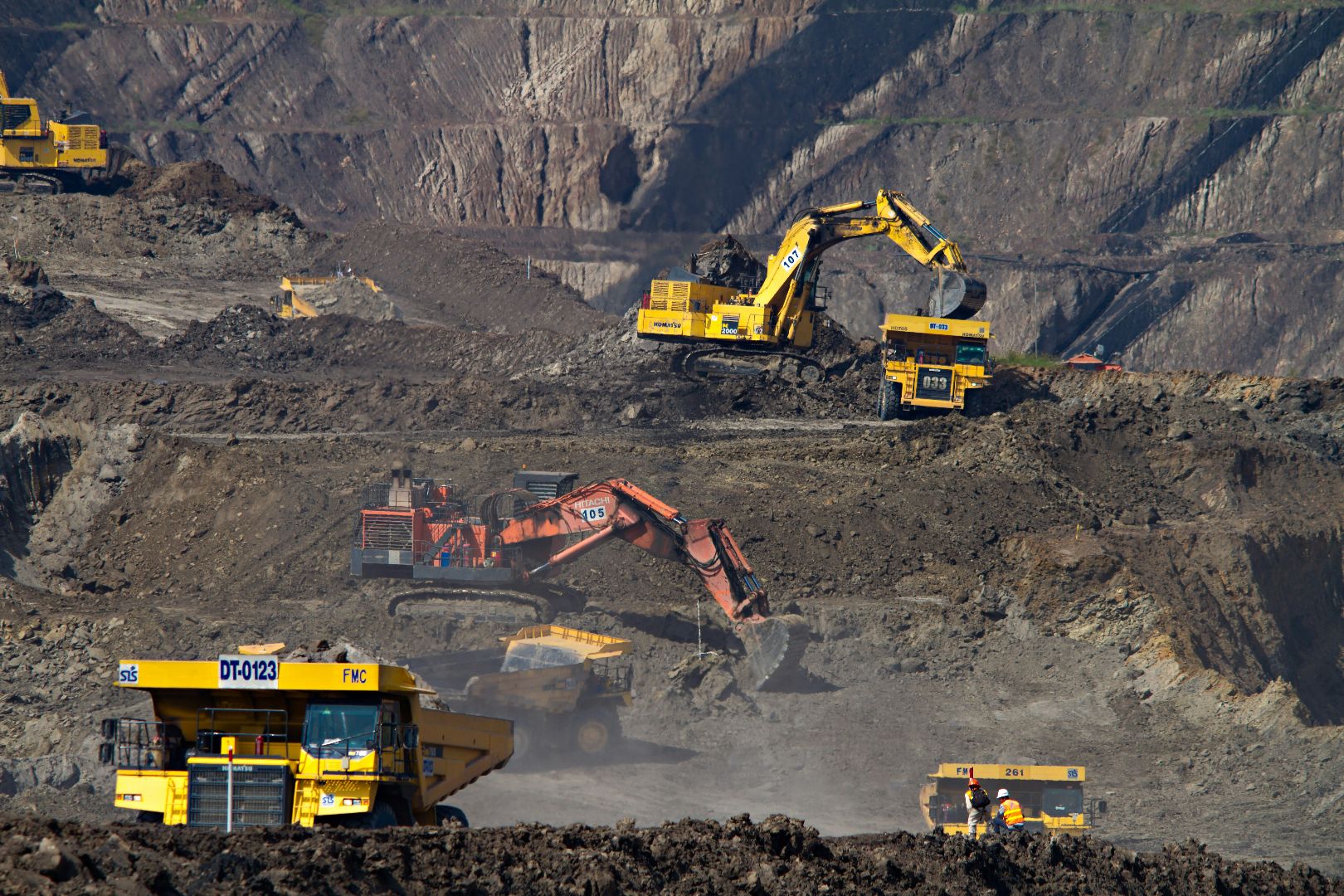
Operational and safety incidents, community and land tensions, environmental scrutiny, permitting disputes and funding moments — managed across remote operating sites and the London and African media that cover them.
View Sector -
Sector 02

Conservation & Wildlife
Human-wildlife conflict incidents, allegations of community displacement, anti-poaching operations that become public, and donor governance questions — handled with the multi-stakeholder discipline conservation crises demand.
View Sector -
Sector 03

Corporations
Regulatory escalations, leadership transitions, profit warnings, M&A communications during the regulated window and unplanned operational events that materially affect reputation and share price.
View Sector -
Sector 04

Capital Markets & IPO
Profit warnings, guidance revisions, leadership departures, hostile-investor and short-seller situations, and market-sensitive announcements where the response window is set by regulation rather than preference.
View Sector
A four-stage approach across the full crisis lifecycle
A four-stage approach spanning the full crisis lifecycle — because the work that protects an organisation in a crisis mostly happens before and after the crisis itself.
-
Prepare
Readiness audit, scenario planning, protocol and holding-statement development, spokesperson training and the establishment of clear decision-making lines. The objective is simple: when a situation breaks, the organisation executes a plan rather than invents one under pressure.
-
Contain
The first hours. Rapid assessment of what is true, what is known, and what is at stake; alignment of leadership and stakeholders on the response; and disciplined holding of the line while the facts are established — so the organisation neither over-commits to a position it cannot hold nor goes silent while others define the story.
-
Respond
Active management of the live situation: narrative development, statement drafting, journalist engagement, spokesperson support and coordinated communication across every affected audience — sustained for as long as the situation runs, led throughout by the same senior advisor.
-
Recover
The structured rebuild after the immediate danger passes: reputation recovery, stakeholder re-engagement, a clear-eyed lessons-learned review, and the deliberate strengthening of readiness so the organisation emerges better prepared than it went in.
The work clients least want featured publicly
Crisis work is, by its nature, the work clients least want featured publicly — much of it is delivered under strict confidentiality and never appears on a website. The examples below illustrate the adjacent disciplines that crisis communications draws on; further crisis-specific context is available under NDA on request.
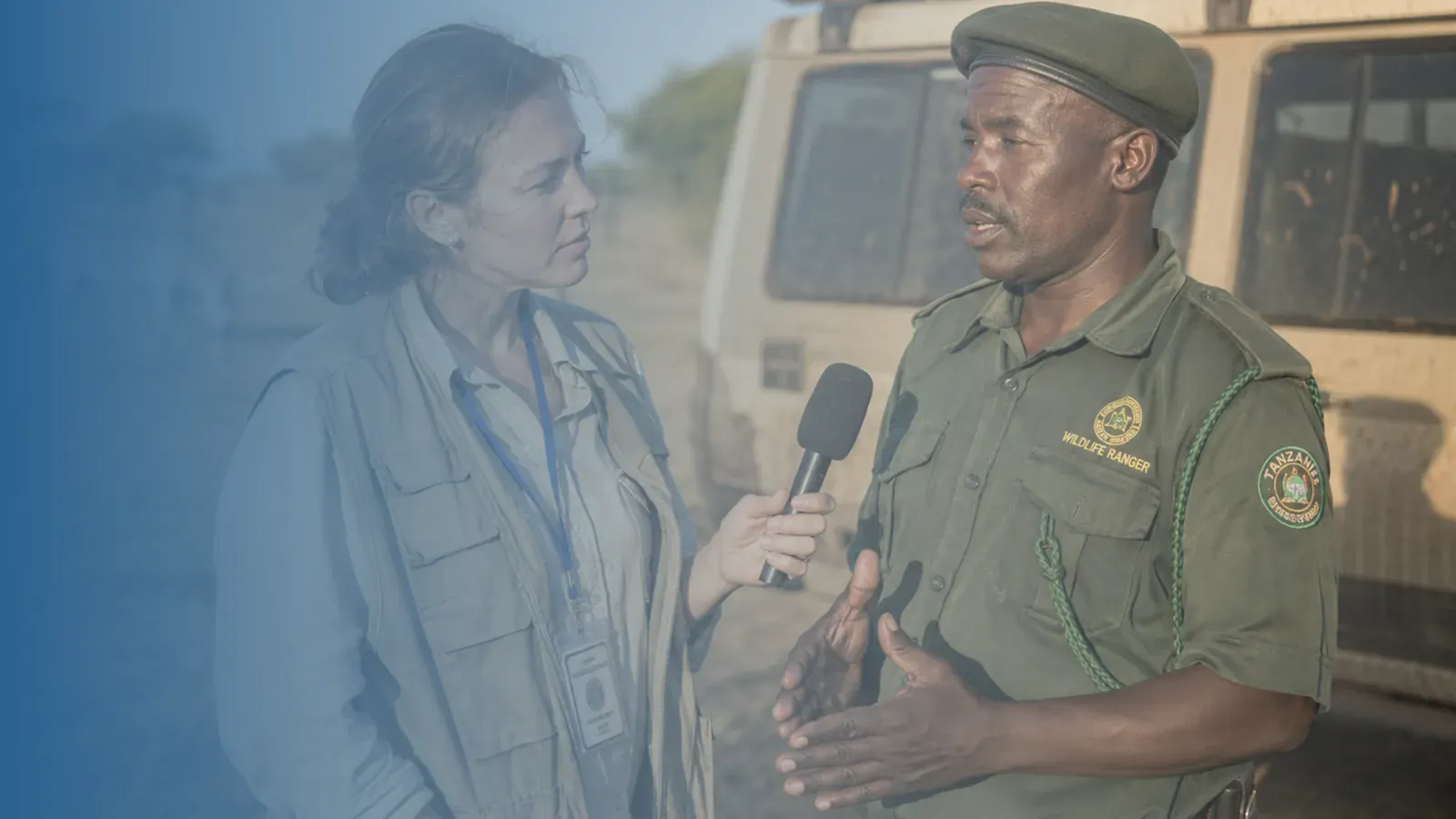
Building crisis-communications capability into a conservancy association
As part of a multi-year communications programme for the Laikipia Conservancies Association — the membership body for 24 conservancies in northern Kenya — Lantern Comitas delivered practical workshops in crisis communications, social media and reputation management, alongside spokesperson training and journalist-network development. The work left LCA with internal crisis-readiness capability rather than dependence on outside response, in an operating environment where conservation crises are a structural risk.
Read the case study
Holding a multi-stakeholder line under intense time pressure
The same discipline that protects an organisation in a crisis — strict information control, multi-stakeholder coordination and tier-one media management under time pressure — underpinned Lantern Comitas’s management of the 2024 Loisaba rhino translocation: a strict embargo held cleanly across governments, communities, donors and global media partners through a multi-week operational window, with the story breaking globally only on the agreed release. Crisis readiness and embargo discipline draw on the same senior-counsel capability.
Read the case studyDon't wait for the crisis
The best time to prepare was yesterday. The second best time is right now.
Whether you’re facing a live situation and need senior counsel on the line today, or you’re a board doing the prudent thing and building readiness before anything goes wrong — let’s talk about what your organisation actually needs.
Speak to a Senior AdvisorThe same senior adviser, on the line within the hour
Crisis testimonials are necessarily confidential. The following reflects a senior client’s experience of a live situation handled by Lantern Comitas — anonymised at their request.
When the situation broke, the same senior adviser we already knew was on the line within the hour — no new team to brief, no time lost explaining the background. They understood how the story would move before it moved, kept every stakeholder aligned, and steadied a situation that could have run away from us. That is exactly what you want from crisis counsel.
Questions we answer
The questions boards, general counsel and communications leaders ask most often when evaluating crisis communications counsel — whether facing a live situation or preparing for one. If yours isn’t here, ask us directly.
-
We have a live crisis right now. How quickly can you help?
Call us. The fastest path is the phone — +44 (0) 20 3951 8233. Crisis enquiries reach a senior advisor, not an account queue. The advantage of our model is that there is no separate crisis team to assemble: the senior counsel who takes your call can begin working the situation immediately, and will lead the response throughout rather than handing it on.
-
Do you do crisis preparedness before anything has gone wrong?
Yes — and it is the single highest-value crisis work we do. Preparedness covers scenario planning, risk mapping, pre-agreed protocols and decision lines, holding-statement libraries and spokesperson media training. Organisations that have done this work do not invent their response under pressure; they execute a plan. The boards that engage us before a crisis are consistently better protected than those who call during one.
-
What kinds of crises do you handle?
The full range across the sectors we serve: operational and safety incidents, regulatory escalations, leadership transitions and departures, profit warnings and guidance revisions, M&A communications during the regulated window, community and stakeholder disputes, conservation and operational-environment crises, hostile-investor and short-seller situations, and the reputational events that materially affect commercial value, funding or licence to operate.
-
Who actually leads the response — a senior advisor or a junior team?
A named senior advisor, from the first call to the recovery phase. This is the core of how we work and the most important difference between us and larger agencies: you are not introduced to a reserve crisis team at the moment you can least afford to brief one. The senior counsel who takes your call holds the situation in their head and leads it throughout.
-
Can you work alongside our lawyers and within regulatory constraints?
Yes — and we treat the regulatory and legal perimeter as a structural part of the work. We coordinate with your legal counsel on what can be said and when, work within market-disclosure, litigation and regulatory constraints, and treat the discipline of not communicating at certain moments as seriously as the communicating. We are not legal advisers and do not provide legal advice; we deliver communications that respect the advice your lawyers give.
-
Do you work across our UK, European and African operations?
Yes. Our genuine operating presence across the UK, Europe and Africa means we can manage a crisis in the markets where it actually happens — including remote operating environments, multi-jurisdiction corporate structures and politically complex African markets where most London crisis firms can only advise from a distance. Our advisors include former foreign correspondents who worked directly in these markets.
-
What happens after the immediate crisis passes?
The recovery phase is where reputation is rebuilt — and it is too often neglected. We deliver structured reputation recovery, stakeholder re-engagement, a clear-eyed lessons-learned review, and the strengthening of readiness so the organisation emerges better prepared than it went in. A crisis handled well can, over time, leave an organisation’s reputation stronger than before; a crisis abandoned the moment the headlines fade rarely does.
Facing a live situation right now? Don’t email — call. +44 (0) 20 3951 8233 reaches a senior advisor directly.
Speak to a senior advisor
