

Media Relations, Built on Relationships With the Journalists Who Matter
Earned coverage is a relationships business — and the difference between a press release that disappears and a story that lands is whether the right journalist picks up the call. Lantern Comitas places stories across two media worlds most firms serve only one of: the tier-one global outlets your investors and policymakers read, and the African media that shape opinion on the ground. Led by former journalists who know exactly what makes a story land.
We Secure Coverage Across


Anyone can write a press release. The relationship is the hard part.
Coverage earned through a trusted journalist carries an authority no paid placement can buy — precisely because the audience knows the organisation did not pay for it. That authority is built one journalist relationship at a time.
Anyone can write a press release. Far fewer can get a journalist at the Financial Times, the BBC or Kenya’s Daily Nation to read it, believe it, and write the story. Media relations is not a content discipline — it is a relationships discipline, and the value sits almost entirely in two things a press release cannot supply: knowing which journalist covers your story, and having the relationship and credibility for them to take your call. Coverage earned through a trusted journalist carries an authority that no paid placement can buy, precisely because the audience knows the organisation did not pay for it. That authority is the entire point, and it is built one journalist relationship at a time.
Media relations is not a content discipline — it is a relationships discipline. The value sits in knowing which journalist covers your story, and having the relationship for them to take your call.
Lantern Comitas serves two media worlds that most firms serve only one of. The first is the tier-one global press that institutional investors, policymakers and international audiences read — the FT, Wall Street Journal, BBC, Reuters, Bloomberg, Sky News and The Guardian. The second is the African media that actually shape opinion across the markets where so much of our clients’ work happens — Daily Nation, MyJoyOnline, Citinewsroom, Ghanaweb and the wider continental press. The firm’s advisors are former foreign correspondents and senior editors who have written for and commissioned from both — they know, from the inside, what makes a newsroom commit to a story and what makes an editor pass. For an organisation whose story needs to land in London and on the ground in Nairobi, Accra or Lagos at the same time, that global-to-African corridor is a rare and decisive advantage.
By Lantern Comitas senior counsel
Six capabilities, the full earned-media craft
Six capabilities covering the full earned-media craft — from working out which journalists matter to measuring the coverage that results.
-
Media Strategy & Targeting
Identifying the outlets, journalists and story angles that actually move the needle for your audiences — and building the target media map that focuses effort where coverage will count, rather than spraying releases at everyone.
-
Story Placement & Proactive Outreach
The core craft: developing the angle, building the pitch, and securing earned coverage through direct journalist relationships. Getting the right reporter to say yes — across global and African media.
-
Press Office & Inbound Media Management
A reliable press-office function — managing inbound journalist enquiries, responding at the speed newsrooms work to, and being the credible, available point of contact that keeps an organisation in journalists’ contact books.
-
Launch & Announcement Programmes
Coordinated media programmes around announcements, results and launches — exclusives, embargoes, multi-territory timing and the disciplined sequencing that turns a single moment into sustained, tier-one coverage.
-
Spokesperson & Interview Preparation
Preparing executives and experts to perform in earned-media settings — print, broadcast and podcast interviews, briefings and panels — so that when the coverage is secured, the spokesperson makes the most of it.
-
Media Monitoring & Coverage Analysis
Tracking coverage, share of voice and the reach and quality of placements — so the media-relations programme is measured on what it actually delivers, not on activity.
The outlets change. The relationships carry across.
Earned media works differently in every sector. The journalists, the outlets and the angles change; the relationships and the craft carry across.
-
Sector 01

Critical Minerals & Mining
Placing the mining and critical-minerals story with the financial, trade and African media that shape investor and policy understanding — from the FT and Reuters to the African press covering operations on the ground.
View Sector -
Sector 02

Conservation & Wildlife
Tier-one global coverage of conservation work — BBC, The Guardian, Bloomberg, Reuters and National Geographic — alongside the African media that build local credibility, secured through embedded journalist relationships and embargo discipline.
View Sector -
Sector 03

Corporations
Corporate and business-press coverage across UK, European and African media — results, leadership profile, M&A and growth-story placement with the journalists who shape how a corporate is read in each market.
View Sector -
Sector 04

Capital Markets & IPO
Financial-press placement across the IPO and results cycle — the FT, Bloomberg, Reuters and specialist financial media institutional investors actually read, at the moments that shape how the market values the business.
View Sector
Earned coverage, built through deliberate relationship-building
A four-stage approach that treats earned coverage as the outcome of deliberate relationship-building, not a lucky hit.
-
Map
Identify the outlets and named journalists that reach your audiences, the story angles each one will respond to, and the moments in your calendar that justify outreach. A focused target media map replaces scattergun distribution with deliberate placement.
-
Build
Establish the organisation and its spokespeople as credible, useful sources — the relationship-building that means a journalist takes the call. Media relations rewards the firms that are known and trusted before they need anything; this is the patient work that makes later placement possible.
-
Place
The active craft of securing coverage: developing the angle, making the pitch, offering the exclusive or managing the embargo, and getting the right journalist to commit. Sustained across the calendar so coverage compounds rather than spiking and fading.
-
Sustain
Maintain the journalist relationships, measure the coverage and its reach, and build the long-term media presence that turns an organisation into a routine, trusted source rather than an occasional name. The goal is a press that already knows you when the important moment arrives.
Earned coverage is the most measurable proof
Earned coverage is the most measurable proof a media-relations practice can offer. The examples below are drawn from verified client work — every outlet, figure and placement is anchored in the published coverage or the client case study.
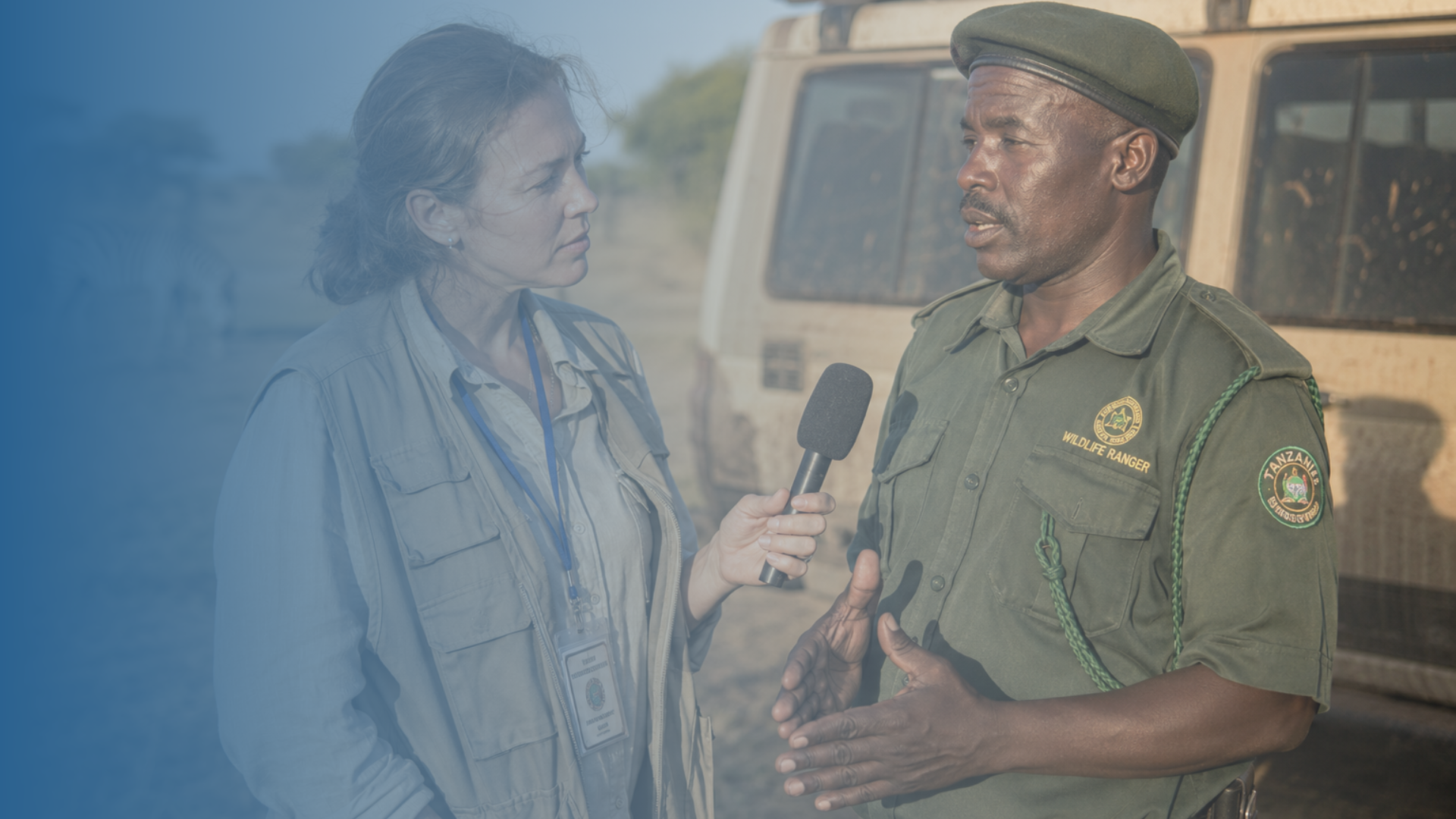
A conservation story broken simultaneously across global media
For the 2024 Loisaba rhino translocation, Lantern Comitas held a strict embargo across governments, communities, donors and global media partners, then coordinated a simultaneous global break on embargo lift. The story carried worldwide — including, per the client, The Times, Bloomberg and The Guardian — alongside Associated Press wire syndication and extensive continental coverage. A textbook demonstration of embargo discipline and tier-one global placement.
Read the case study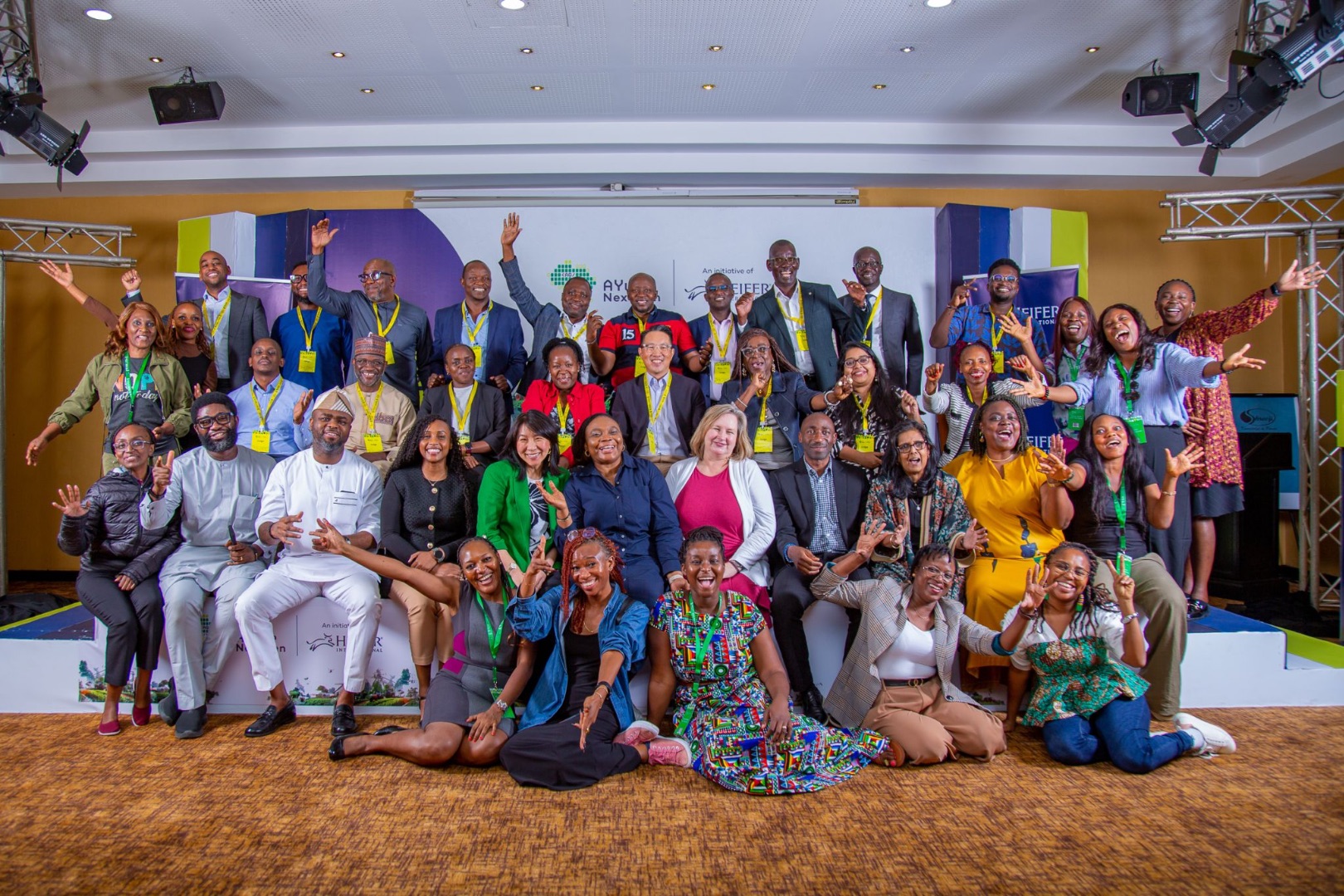
26 pieces of African coverage for a global corporate’s Ghana programmes
For Amazon Web Services, Lantern Comitas secured 26 pieces of media coverage across two Ghana events — 15 outlets for the AWS Health Equity / mPharma media roundtable (including MyJoyOnline) and 11 for the AWS–AmaliTech graduation (featured on Citinewsroom and Ghanaweb), brokering journalist access across print, broadcast, radio and online. Proof of genuine African media relationships, not London-coordinated distribution.
Read the case study
Coverage built deliberately, at scale
Sustained media-relations programmes produce sustained results. For the Laikipia Conservancies Association, mainstream news coverage rose by over 300%, including placement in Kenya’s leading newspaper, Daily Nation. For Heifer Africa, a multi-year programme generated more than 1,000 news reports across the continent. Both demonstrate media relations as a long game won through relationships, not one-off hits.
Read the case studyEarn the coverage
Ready for coverage in the outlets your audiences actually read?
Whether you need a tier-one global break, sustained coverage across African media, a press office that journalists trust, or simply the relationships to get your story read — let’s talk about what your organisation actually needs.
Book a Discovery CallDeep PR knowledge meets profound journalistic experience
A verified client view on the journalistic heritage at the core of the media-relations proposition — in their own words.
Lantern Comitas’ consultants combine a deep knowledge of public relations and strategic communications with profound journalistic experience based on the team’s many years at the forefront of Kenyan and international journalism.
Questions we answer
The questions communications leaders ask most often when evaluating a media-relations partner. If yours isn’t here, ask us directly.
-
What’s the difference between media relations and public relations?
They overlap, but they are not the same. Public relations is the broad strategic discipline — managing an organisation’s reputation, profile and positioning across all of its audiences. Media relations is the focused craft within it: building relationships with journalists and securing earned coverage in target outlets. If public relations is the strategy for how an organisation is understood, media relations is the engine that gets the story into the press. Lantern Comitas offers both — see our Public Relations practice for the broader strategic work — but this page is about the placement craft specifically: the relationships and the coverage.
-
Do you actually have relationships with tier-one journalists?
Yes — and it is the point of the practice. Our advisors are former foreign correspondents and senior editors who worked at and with the outlets clients want to appear in, across both the tier-one global press (FT, WSJ, BBC, Reuters, Bloomberg, Sky News, The Guardian) and the African media that shape opinion on the ground. Media relations is a relationships business; the relationships are what we bring.
-
Can you secure coverage in African media as well as UK and global outlets?
Yes — this is one of the most differentiated parts of the practice. Most London media-relations firms serve the global tier-one press but lack genuine African media relationships. Our case work proves both: 26 pieces of Ghanaian coverage for AWS across MyJoyOnline, Citinewsroom and Ghanaweb; a 300% coverage lift for the Laikipia Conservancies Association including Kenya’s Daily Nation; more than 1,000 news reports for Heifer Africa across the continent; and a tier-one global break for the Loisaba rhino translocation. The global-to-African media corridor is the rare combination we exist to serve.
-
What outlets can you place stories in?
It depends entirely on the story, the angle and the audience — credible media relations never promises specific outlets in advance, because earning coverage means a journalist judging the story worth running. What we can say is that our relationships span the tier-one global business, financial and general press and the African continental media, and that our advisors know which outlets and journalists are right for which stories. The trust strip on this page reflects the calibre of media our clients’ stories have reached.
-
Do you run a press office and handle inbound media enquiries?
Yes. A reliable press-office function — managing inbound journalist enquiries, responding at the speed newsrooms work to, and being the available, credible point of contact — is part of the practice. Being trusted and responsive when journalists come to you is what keeps an organisation in their contact books for when you go to them.
-
Can you manage an embargoed launch or an exclusive?
Yes — embargo and exclusive management is a core capability. The Loisaba rhino translocation is a worked example: a strict embargo held cleanly across governments, communities, donors and global media partners, with the story breaking simultaneously worldwide on embargo lift. Coordinated launches, multi-territory timing and exclusives are how a single moment is turned into sustained, high-quality coverage.
-
How do you measure media relations success?
On coverage, not activity. We track the volume, reach, quality and share of voice of the coverage secured — which outlets, which journalists, what audience, and how the organisation’s framing landed versus everyone else’s. Sending a hundred press releases is activity; getting the right story into the right outlet, read by the right audience, is the result. We measure the result.
Have a question we haven’t answered? We respond to every enquiry within 24 hours — a senior consultant, not an inbox.
Ask us anything
